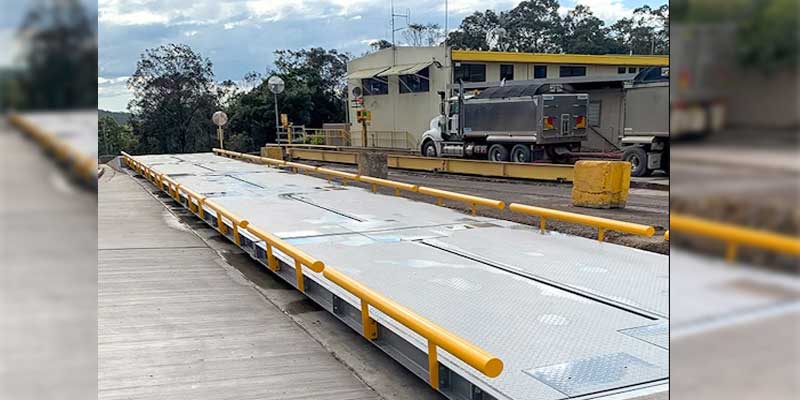
As industries continue to evolve, the importance of weighbridge security has never been more critical. Weighbridges play a pivotal role in various sectors, including agriculture, mining, construction, and logistics, by providing accurate weight measurements that are essential for inventory management, billing, and regulatory compliance. However, with the increasing sophistication of fraudulent activities and the need for enhanced operational efficiency, the future of weighbridge security is being shaped by innovative technologies and best practices.
Innovations in Weighbridge Security
1. Advanced Software Solutions
The integration of advanced software solutions is revolutionizing weighbridge security. These software systems offer real-time data collection, monitoring, and analysis, which helps in detecting anomalies and preventing fraud. For instance, weighbridge security software can automatically flag suspicious transactions, such as sudden changes in weight or repeated weighing of the same vehicle. Additionally, these systems provide comprehensive reporting tools that aid in auditing and compliance.
2. Biometric Verification
Biometric verification is emerging as a robust method to enhance security at weighbridges. By using fingerprint or facial recognition technology, weighbridges can ensure that only authorized personnel operate the equipment. This reduces the risk of fraudulent activities carried out by unauthorized users and enhances accountability.
3. RFID and GPS Technology
Radio-frequency identification (RFID) and Global Positioning System (GPS) technologies are becoming increasingly prevalent in weighbridge operations. RFID tags can be attached to vehicles, allowing for automatic identification and tracking throughout the weighing process. This technology ensures that the correct vehicle is weighed and helps prevent tampering. Similarly, GPS technology can track the location of vehicles, ensuring that they follow designated routes and preventing unauthorized diversions.
4. Automated Barriers and Surveillance
Automated barriers and surveillance cameras are being integrated into weighbridge systems to enhance security. Automated barriers control vehicle access to the weighbridge, ensuring that only one vehicle is weighed at a time. Surveillance cameras provide real-time monitoring and recording of weighbridge activities, which can be reviewed in case of disputes or investigations.
Best Practices for Weighbridge Security
1. Regular Calibration and Maintenance
Regular calibration and maintenance of weighbridge equipment are essential for ensuring accuracy and reliability. Periodic checks and servicing help identify and rectify any discrepancies, reducing the risk of errors and fraudulent activities. Implementing a strict maintenance schedule ensures that the weighbridge operates optimally and complies with industry standards.
2. Comprehensive Training for Operators
Providing comprehensive training for weighbridge operators is crucial for maintaining security. Operators should be trained on the proper use of weighbridge equipment, recognizing suspicious activities, and responding to security breaches. Continuous training programs can keep operators updated on the latest security protocols and technological advancements.
3. Implementing Multi-Layered Security Measures
A multi-layered approach to security is the most effective way to protect weighbridge operations. This includes combining physical security measures, such as automated barriers and surveillance cameras, with technological solutions like advanced software and biometric verification. By implementing multiple layers of security, businesses can create a robust defense against fraudulent activities.
4. Regular Audits and Inspections
Conducting regular audits and inspections of weighbridge operations helps ensure compliance with security protocols. Audits can identify potential vulnerabilities and provide insights into areas that need improvement. Inspections should be thorough and cover all aspects of the weighbridge operation, from equipment functionality to data management practices.
5. Secure Data Management
Ensuring the security of weighbridge data is paramount. Data should be encrypted and stored securely to prevent unauthorized access. Implementing strict data management policies and regular backups can protect against data breaches and loss. Additionally, access to weighbridge data should be restricted to authorized personnel only.
Conclusion
The future of weighbridge security lies in the integration of innovative technologies and the implementation of best practices. Advanced software solutions, biometric verification, RFID and GPS technology, and automated barriers are transforming weighbridge operations, making them more secure and efficient. By adopting a multi-layered approach to security, conducting regular audits, and providing comprehensive training, businesses can safeguard their weighbridge operations against fraud and ensure the accuracy and reliability of their weight measurements. As the industry continues to evolve, staying ahead of security threats and embracing new technologies will be crucial in maintaining the integrity of weighbridge operations.